Real-World Use Cases
Explore Other Use Cases
Passenger Travel
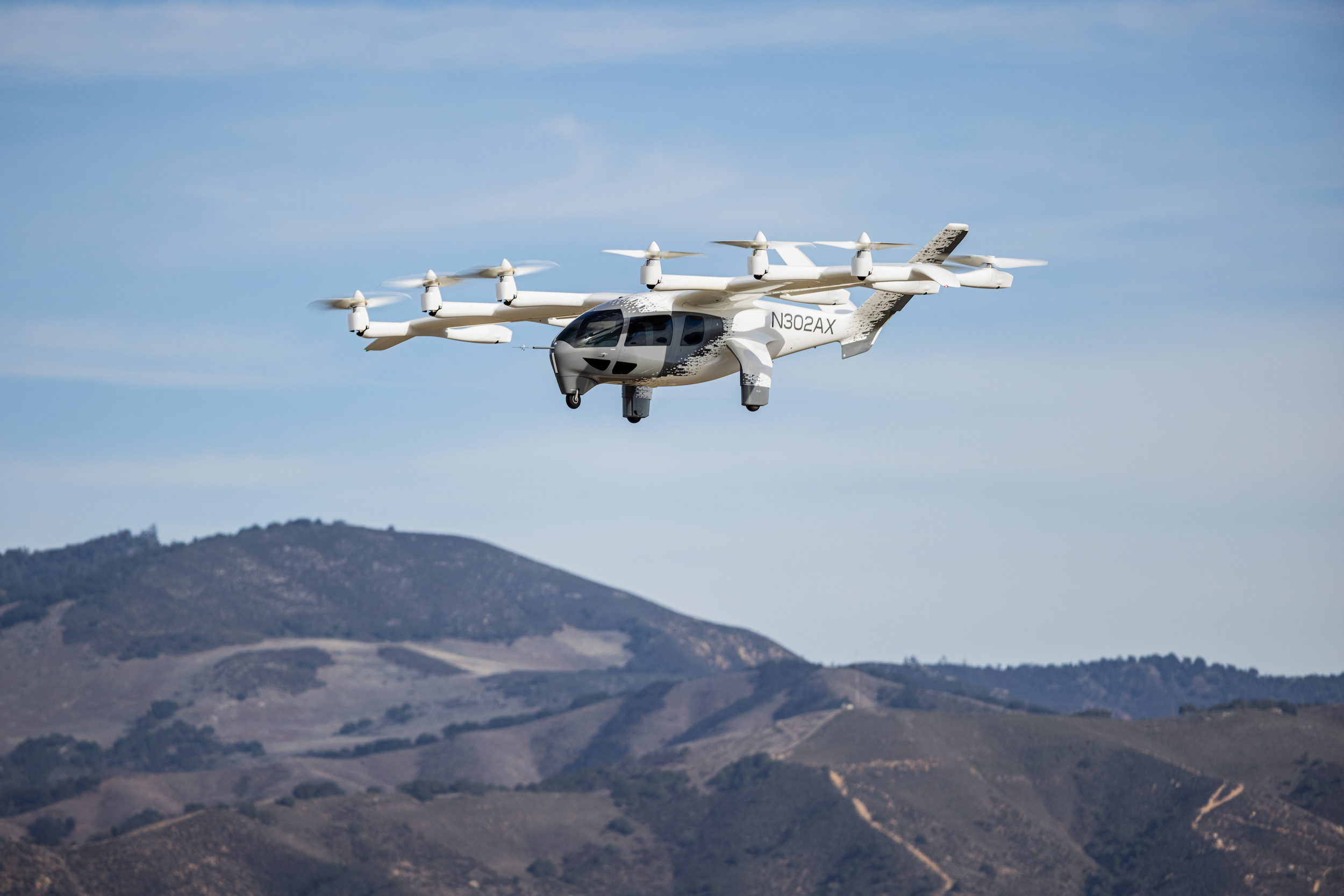
AAM aircraft can support short regional trips and air taxi services that connect cities, suburbs, and rural communities.
These aircraft could provide faster travel options for trips that are currently time-consuming by car, such as travel between regional cities, airports, or business centers. Over time, AAM may help expand regional connectivity while reducing travel times for certain routes.
Potential examples include travel between communities such as Logan, Tooele, Price, or St. George and major population centers like Salt Lake City or Provo.
Faster, More Flexible Travel
AAM introduces a new type of on-demand and scheduled travel that can significantly reduce travel times—particularly for trips between 50 and 200 miles, where driving is often the only practical option today.
Instead of navigating congestion or long highway routes, travelers could use AAM services to:
- Reduce multi-hour drives to shorter, more efficient trips
- Travel directly between regional destinations without transfers
- Access faster connections to major airports and business hubs
This added flexibility can improve how people move across the state for work, healthcare, education, and recreation.
Complementing Existing Transportation
AAM is not intended to replace cars, trains, or commercial airlines. Instead, it serves as an additional layer within Utah’s transportation system.
Passenger AAM services can connect to existing transit systems and airports, help reduce congestion on heavily traveled roadways, and provide alternatives during peak travel times or disruptions. By complementing existing infrastructure, AAM helps create a more resilient and flexible transportation network.